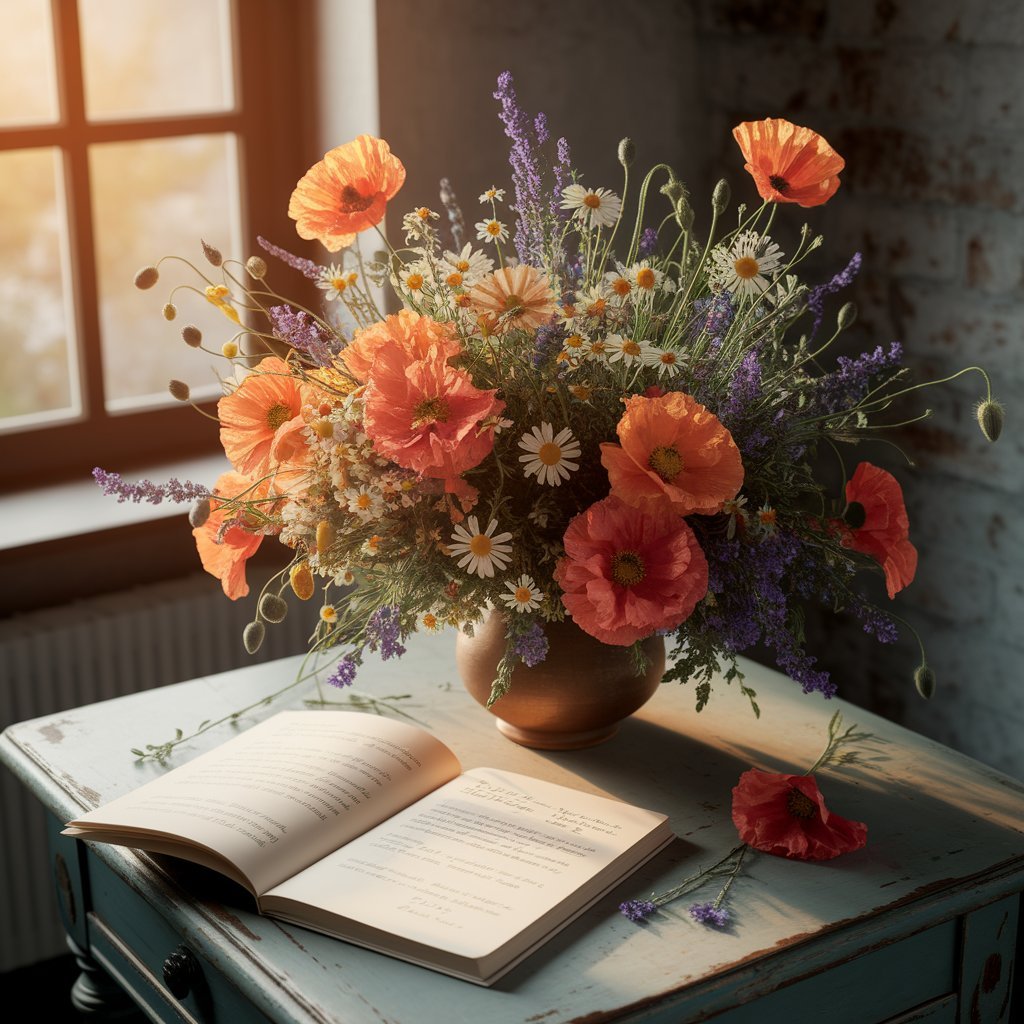

Fleurism is a relatively new and loosely used term associated with flowers, floral beauty, nature, creativity, and mindful living. Unlike established words such as florist or floristic, fleurism does not currently have one universally accepted dictionary definition. Recent online usage presents it as a flower-centered lifestyle and mindset, connecting everyday life with the beauty and symbolism of flowers.
In 2026, interest in flower-inspired living continues to fit naturally with broader conversations around well-being, nature, creativity, home decoration, gardening, floral design, and intentional living. This guide explains what fleurism can mean, where the idea comes from, how it differs from related terms, and how people can incorporate its principles into everyday life.
What Is Fleurism?
At its simplest, fleurism can be understood as an appreciation of flowers and the lifestyle ideas surrounding them. The word appears to combine fleur, meaning flower, with the suffix -ism, suggesting a practice, philosophy, movement, or way of thinking.
The exact definition is not standardized. One recent 2026 article describes fleurism as a flower lifestyle that encourages mindful living, while other established floral terminology focuses more specifically on flowers, plants, botanical study, or professional floral work.
That makes fleurism flexible. Depending on context, someone might use the word when discussing:
- Floral art and design
- Flower arranging
- Gardening and growing flowers
- Nature-inspired interiors
- Flower symbolism
- Mindful appreciation of nature
- Seasonal living
- Creative photography and visual art
- Gifting flowers with personal meaning
Rather than being limited to a profession, fleurism can therefore be viewed as a broader flower-centered aesthetic and lifestyle concept.
The Meaning Behind the Word Fleurism
The word fleur is connected with the French word for flower. The related English term florist has a much more established meaning: a person who sells or works with flowers and plants, while floristic refers to things relating to flowers or flora.
The suffix “-ism” often indicates a particular practice, belief, style, or movement. Put together, fleurism naturally suggests a philosophy or appreciation centered around flowers.
However, it is important not to present fleurism as an officially recognized historical movement without evidence. Current search results do not establish a universally accepted founder, formal organization, or definitive manifesto for fleurism. The term is better described in 2026 as an emerging or informal concept.
This distinction matters because readers may encounter the word in different contexts. Some may use it for floral aesthetics, while others may use it to describe a more mindful relationship with nature.
Fleurism and the Language of Flowers
One of the strongest ideas connected with fleurism is the language of flowers.
Flowers have long been used to communicate feelings and messages without spoken words. The Royal Horticultural Society notes that the Victorian language of flowers became a system in which individual flowers were assigned meanings and could be combined into bouquets carrying particular messages. A popular book on the subject, Le langage des fleurs, appeared in France in 1819 and presented hundreds of flower meanings.
This tradition gives modern fleurism another dimension. A bouquet is not simply a collection of attractive plants; it can represent:
- Love
- Friendship
- Sympathy
- Celebration
- Gratitude
- Hope
- Remembrance
- New beginnings
For people interested in fleurism, choosing flowers can therefore become a creative form of communication.
The symbolism of a flower can also change according to culture and historical period, so meanings should not always be treated as universal rules.
Fleurism, Floral Design, and Creativity
Floral design is another important part of the fleurism concept. Flowers offer an enormous range of colors, shapes, textures, scents, and seasonal characteristics, making them natural materials for creative work.
Professional florists already work with many of these elements. A florist can arrange and sell cut flowers and plants, while some florists also specialize in weddings, events, installations, and other forms of floral design.
Fleurism can take that appreciation beyond commercial flower arranging. Someone following a flower-centered lifestyle might experiment with:
Home Decoration
Fresh flowers can become part of interior decoration, with seasonal arrangements changing the atmosphere of a room.
Photography
Flowers are popular subjects because their detailed petals, colors, and structures provide opportunities for macro photography, still life, and nature photography.
Art and Craft
Pressed flowers, botanical illustrations, floral painting, wreaths, and handmade decorations can all express a flower-inspired creative style.
Gardening
Growing flowers creates a more direct relationship with nature. Instead of simply purchasing a bouquet, people can experience the entire process from planting and growth to flowering.
Fleurism as a Mindful Lifestyle
The modern interpretation of fleurism also connects flowers with mindfulness and slowing down.
A flower changes gradually. Buds develop, blossoms open, petals age, and eventually the plant produces seeds or returns to dormancy. Paying attention to these changes can encourage people to notice seasonality, growth, impermanence, and natural rhythms.
This does not mean fleurism is a scientifically established wellness treatment. Rather, it can be understood as a personal lifestyle practice built around appreciation of nature and everyday beauty.
Simple activities can include:
- Taking time to arrange fresh flowers
- Growing a small balcony garden
- Visiting botanical gardens
- Photographing seasonal blooms
- Learning the names of local flowers
- Reading about flower symbolism
- Creating a personal flower journal
- Decorating a workspace with seasonal plants
The central idea is intentional attention—using flowers as a reason to slow down and observe the natural world.
How to Practice Fleurism in Everyday Life in 2026
Fleurism does not require an expensive garden, professional equipment, or a large collection of flowers. It can begin with something as simple as one plant or a small bouquet.
A practical approach is to make flowers part of ordinary routines.
For example, you could choose seasonal flowers rather than trying to maintain the same arrangement throughout the year. Seasonal changes can make the experience more interesting while encouraging greater awareness of local plants.
You can also combine fleurism with sustainable habits. Buying locally grown flowers, growing your own plants when possible, reusing containers, composting suitable organic material, and avoiding unnecessary waste can make a flower-centered lifestyle more environmentally conscious.
For people interested in design, fleurism can also become a personal visual identity. Floral patterns, botanical artwork, natural textures, flower photography, and plant-inspired interiors can all contribute to a consistent aesthetic.
The goal is not perfection. Fleurism works best as an individual expression of appreciation for flowers and nature.
Fleurism vs. Florist, Floristic, and Fleur-de-Lis
Because the terms sound similar, they can easily be confused.
Florist is an established profession or business term for someone who sells, grows, or works with flowers.
Floristic is an adjective relating to flowers or flora and is commonly associated with botanical or plant studies.
Fleur-de-lis, meanwhile, is a completely different and historically established term. It refers to a stylized flower-like symbol traditionally associated with a lily or iris and has been widely used in art and heraldry. Its name ultimately means “flower of the lily.”
Fleurism, by comparison, is best treated as a newer, informal term whose meaning depends heavily on context.
Understanding these distinctions prevents confusion when researching the subject online.
Frequently Asked Questions About Fleurism
What does fleurism mean?
Fleurism generally refers to a flower-centered lifestyle, aesthetic, or philosophy focused on appreciating flowers, nature, floral creativity, and the meanings associated with blooms. The term does not currently have one universally standardized definition.
Is fleurism an official art movement?
There is no strong evidence that fleurism is an established historical art movement comparable to movements such as Futurism. Current online use is better understood as an emerging or informal concept.
Is fleurism related to florists?
They are related through their focus on flowers, but they are not the same. A florist is a professional who works with flowers, whereas fleurism can describe a broader interest in floral beauty and flower-inspired living.
Can gardening be part of fleurism?
Yes. Growing flowers, observing seasonal changes, and caring for plants can naturally fit within a flower-centered lifestyle.
Why are flower meanings important to fleurism?
Flower symbolism gives floral arrangements an additional layer of meaning. Historically, flowers were used to communicate messages, particularly through the Victorian language of flowers.
How can beginners practice fleurism?
Start small. Grow a flower, arrange a bouquet, photograph plants, visit a garden, or learn about local flowers. Fleurism does not require specialist knowledge.
Conclusion
Fleurism in 2026 is best understood as an emerging flower-centered idea rather than a formally defined movement. It brings together floral beauty, creativity, nature appreciation, symbolism, gardening, decoration, and mindful attention.
Its appeal comes from its simplicity. Flowers can be appreciated through art, gardening, photography, interior design, gifting, or simply observing nature. The historical language of flowers also shows that people have long used blooms to express emotions and ideas.
