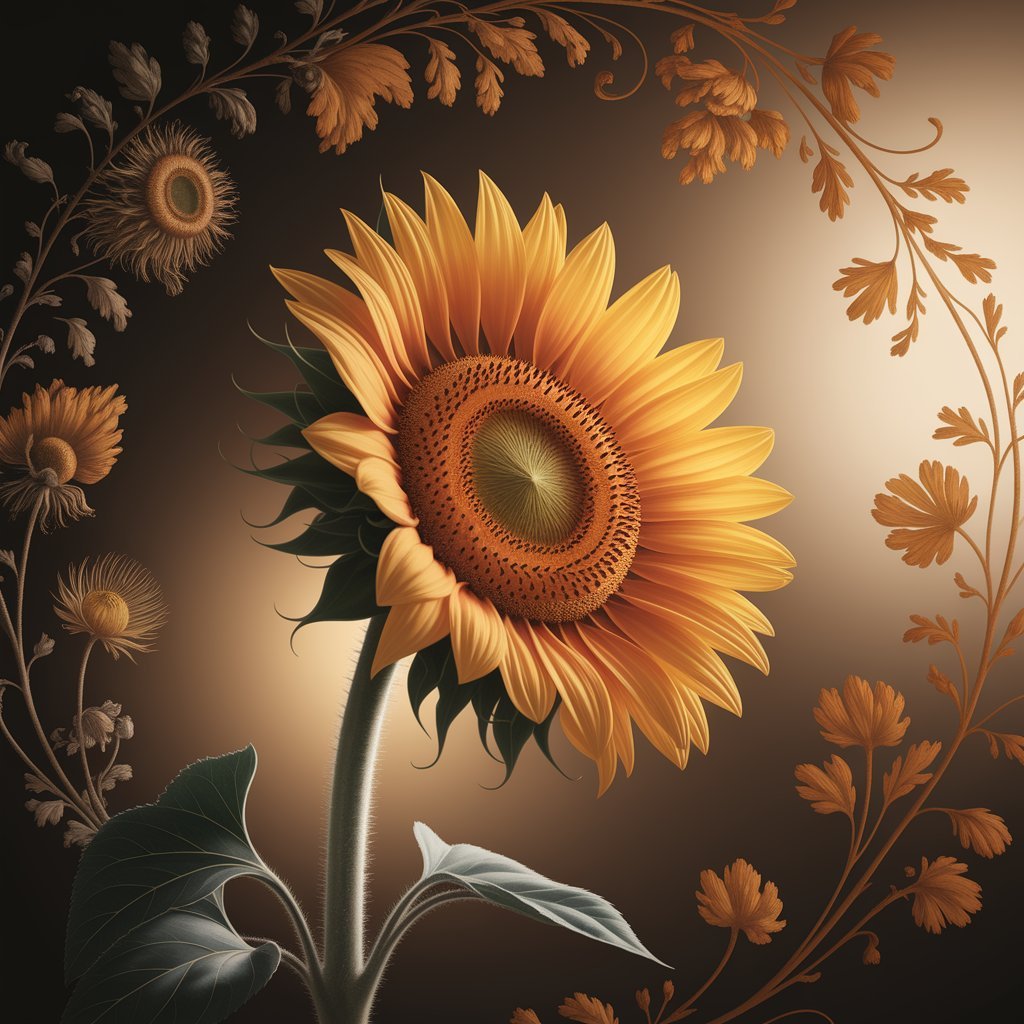

Fleurism is a fascinating term because it can mean different things depending on the context. In 2026, the word appears in discussions about flowers, contemporary art, floral design, philosophy, branding, and fictional world-building. It sounds like the name of an established artistic movement, but there is no single universally accepted definition of Fleurism. Instead, several independent uses have given the word its distinctive identity.
At its simplest, Fleurism combines the French word “fleur,” meaning flower, with the suffix “-ism,” commonly associated with a philosophy, movement, belief, or artistic approach. This creates an expression that can be understood broadly as a flower-centered philosophy or movement.
What Is Fleurism and What Does It Mean?
The most interesting feature of Fleurism is its flexibility. Unlike established terms such as Impressionism or Minimalism, Fleurism does not have one official meaning accepted across every field.
The word can refer to:
- A floral or creative philosophy centered around flowers and nature
- A contemporary artistic concept using flowers to explore human experiences
- A floral business or brand identity
- A fictional religion developed within the Stoneworks MC Minecraft role-playing community
- A broader idea connecting beauty, growth, transformation, nature, and human emotion
The construction of the word helps explain why it feels so recognizable. “Fleur” immediately creates an association with flowers, while “-ism” makes the subject sound conceptual. In other words, a flower becomes more than an object; it becomes an idea.
It is also important to distinguish Fleurism from the established terms floristry and floristic. Floristry means the art or skill of a florist, while floristic describes something relating to flowers or flora.
Fleurism as a Contemporary Art Concept
One of the strongest documented cultural uses of Fleurism came through a 2022 contemporary art exhibition in Singapore. Dao by Dorsett AMTD Singapore partnered with Wasuka Art to launch an exhibition titled Fleurism, presenting different interpretations of the beauty and diversity of flora.
The exhibition demonstrated why the name works so naturally in the art world. Flowers have always been powerful artistic subjects, but they can also represent much more than visual beauty.
Artists can use flowers to explore:
- Memory and identity
- Growth and transformation
- Love and loss
- Cultural heritage
- Human relationships with nature
- The passage of time
- Beauty and impermanence
The Singapore exhibition brought together multiple artistic styles and techniques, showing that Fleurism does not have to be restricted to traditional flower painting. Paintings, drawings, silkscreen prints, digital works, and other contemporary approaches can all interpret floral subjects in different ways.
This is what separates a conceptual Fleurism approach from ordinary floral decoration. The flowers are not simply placed in an artwork because they look attractive. Instead, they can become symbols and visual language.
Fleurism and the Language of Flowers
Another useful way to understand Fleurism is through floriography, often described as the language of flowers. Flowers have historically been associated with particular emotions, occasions, and cultural meanings.
A rose can communicate love, while lilies may be associated with purity or renewal. Sunflowers are often connected with happiness and optimism, while lavender can suggest calmness and peace.
Fleurism can build on this symbolic tradition by treating flowers as a form of visual communication. Instead of asking only, “Which flower looks beautiful?” the Fleurism approach asks, “What does this flower represent?”
This can influence:
- Personal bouquets
- Wedding arrangements
- Botanical artwork
- Floral tattoos
- Home decoration
- Photography
- Fashion
- Creative branding
The result is a more intentional relationship with flowers. A bouquet can become a personal statement rather than simply a collection of attractive plants.
Fleurism as a Philosophy of Nature and Growth
The word can also be interpreted philosophically. Flowers naturally provide powerful metaphors for the human experience.
A seed develops underground before becoming visible. A flower blooms for a limited period and eventually fades. New growth then begins again. This natural cycle can represent patience, resilience, change, renewal, and personal development.
From this perspective, Fleurism can suggest several simple ideas:
Growth takes time. A flower cannot be forced to bloom instantly, and people also develop at different speeds.
Challenges are part of growth. Rain and storms may appear destructive, but they are also part of the natural conditions in which plants survive.
Imperfection has beauty. A fading flower, curved stem, or damaged petal can still possess character.
Nature and people are connected. Human life depends on natural systems, while gardens and cultivated landscapes are shaped by human care.
This interpretation makes Fleurism relevant beyond galleries and floral shops. It can become a way of thinking about mindfulness, gardening, creativity, and our relationship with the natural world.
Fleurism in Interior Design and Everyday Creativity
The Fleurism concept also fits naturally into modern interiors because botanical elements can change the atmosphere of a room without requiring major renovations.
A Fleurism-inspired interior might focus on natural materials, botanical artwork, seasonal flowers, soft colors, plants, and meaningful floral objects rather than excessive decoration.
Some ideas include:
- Displaying one meaningful flower instead of an oversized arrangement
- Using pressed flowers as wall art
- Choosing botanical illustrations with personal symbolism
- Adding seasonal plants to living spaces
- Using natural textures such as wood, ceramic, linen, and stone
- Creating calm palettes inspired by leaves, petals, soil, and natural landscapes
- Choosing locally grown or seasonal flowers where practical
This approach emphasizes intention over quantity. A single orchid, dried branch, or framed botanical specimen can have a stronger visual effect when it has a personal story behind it.
Sustainability can also fit naturally into this concept. Choosing seasonal plants, reducing unnecessary floral waste, reusing containers, and selecting durable decorative materials can make floral design more environmentally conscious.
Fleurism LLC, Branding, and Other Real-World Uses
Fleurism is not limited to art and philosophy. The name has also appeared in commercial and organizational contexts.
Fleurism LLC is documented as a U.S. limited liability company associated with the floral retail industry. Public information connected the company with the INDIEFLOWERSHOPS trademark filing in International Class 035. The described business activities included fresh and artificial flowers, gift baskets, home décor, plants, gardening products, online retail, mail-order services, and event planning.
However, trademark and corporate records should not automatically be interpreted as proof that a company remains actively operating today. The available documentation establishes the historical business and trademark information but does not by itself confirm current operations.
The broader branding appeal of the name is easy to understand. Fleurism sounds elegant, memorable, artistic, and international, making it suitable for businesses or projects connected with flowers, design, fashion, beauty, art, or lifestyle.
Interestingly, the word has also appeared in other independent contexts. In the Stoneworks MC Minecraft role-playing universe, Fleurism is presented as a fictional religion with its own mythology, gods, history, sacred locations, and communities. This demonstrates how a coined word can develop completely different meanings in different creative environments.
Fleurism in 2026: Why the Word Remains Interesting
In 2026, Fleurism is best understood as a flexible coined term rather than one officially defined movement. Its different uses show how language can evolve through art, commerce, gaming communities, and creative culture.
The term feels authentic because it follows a familiar linguistic pattern. Words such as Impressionism, Cubism, Symbolism, Surrealism, and Minimalism use “-ism” to turn a subject or idea into a broader concept. Fleurism follows the same pattern, placing flowers at the center of an imagined philosophy or movement.
There is also an older artistic use worth noting. Writer Jonathan Jones described an art form called “fleurism” associated with filmmaker Sergei Paradjanov, who reportedly created elaborate wreaths from dead flowers while imprisoned in Soviet labour camps. This historical use is distinct from the later commercial, exhibition, and fictional uses of the name.
That history makes the word even more intriguing: Fleurism has never been confined to one single interpretation.
Frequently Asked Questions About Fleurism
Is Fleurism a real word?
Fleurism is a coined term rather than a universally standardized English word with one accepted definition. Its meaning depends on the context in which it is used.
What does Fleurism literally mean?
It combines “fleur,” the French word for flower, with “-ism,” a suffix commonly used for philosophies, movements, and systems of thought. It can therefore suggest a flower-centered philosophy or movement.
Is Fleurism an official art movement?
There is no broad evidence that Fleurism is an officially recognized art movement. However, Fleurism was used as the title of a contemporary art exhibition in Singapore, where floral imagery was explored through different artistic styles and techniques.
What is Fleurism in Stoneworks MC?
Within the Stoneworks MC fictional universe, Fleurism is an invented religion with its own mythology, deities, historical timeline, and sacred locations. It is separate from the real-world floral and artistic uses of the word.
Is Fleurism the same as floristry?
No. Floristry refers to the art or skill of working as a florist, while Fleurism is a coined term with broader and context-dependent meanings.
Why is Fleurism becoming interesting in 2026?
Its appeal comes from its combination of flowers, symbolism, art, nature, creativity, and philosophy. The word can describe a visual aesthetic, inspire creative projects, or simply provide a memorable name for a concept.
Conclusion
Fleurism is ultimately a word with many possibilities. From floral branding and contemporary art to symbolic flower culture and fictional mythology, its meaning changes according to the world in which it appears.
What remains consistent is the connection between flowers and ideas. Flowers can represent growth, love, memory, renewal, beauty, impermanence, and resilience. By adding the suffix “-ism,” Fleurism turns those familiar associations into something that sounds like a larger philosophy.
That flexibility is perhaps the most interesting thing about Fleurism in 2026. It is not limited to one definition or one community. Instead, it continues to demonstrate how a simple combination of language and imagery can create a concept capable of being interpreted through art, nature, culture, business, design, and storytelling.
